

Termite Inspections
Termites require moisture and without humidity, they can only survive a few hours. Rotting wood is a great source of moisture and food for termites. Proper roof drainage, soil grading and dry basements & crawl spaces are a must to prevent attracting all forms of Wood Destroying Organisms. Termites travel below ground in ‘mud tubes’ to keep them from dehydrating and protect them from predatory ants. They surface under objects such as, stacks of firewood next to your house and excessive vegetation along exterior walls.
Loans and Lender Requirements: Based on location, some mortgage companies and government-backed loans such as VA or FHA loans, require a Wood-Destroying Organisms (WDO) report before closing.
Not all intruders are termites. Others can be just as distructive.
Powderpost Beetles: The larvae of these beetles bore into hardwoods and softwoods, leaving behind tiny “shotgun” exit holes and fine, flour-like sawdust.
Carpenter Bees: Are not full time intruders. They nest by drilling perfectly round, dime-sized holes into unfinished or weathered exterior wood like eaves and decks, to lay their eggs. They leave a scent behind which allow them to return each spring and expand their nest by boring more holes.
Ways to defend against termites:
Ensure proper roof draiage from the home. For each 10′, it’s recommended the ground slope 6″. Downspouts that exit near the foundation need to be extended. Not only will this reduce the likely hood of Termites, but it’ll protect your foundation during the freeze / thaw cycles of winter.
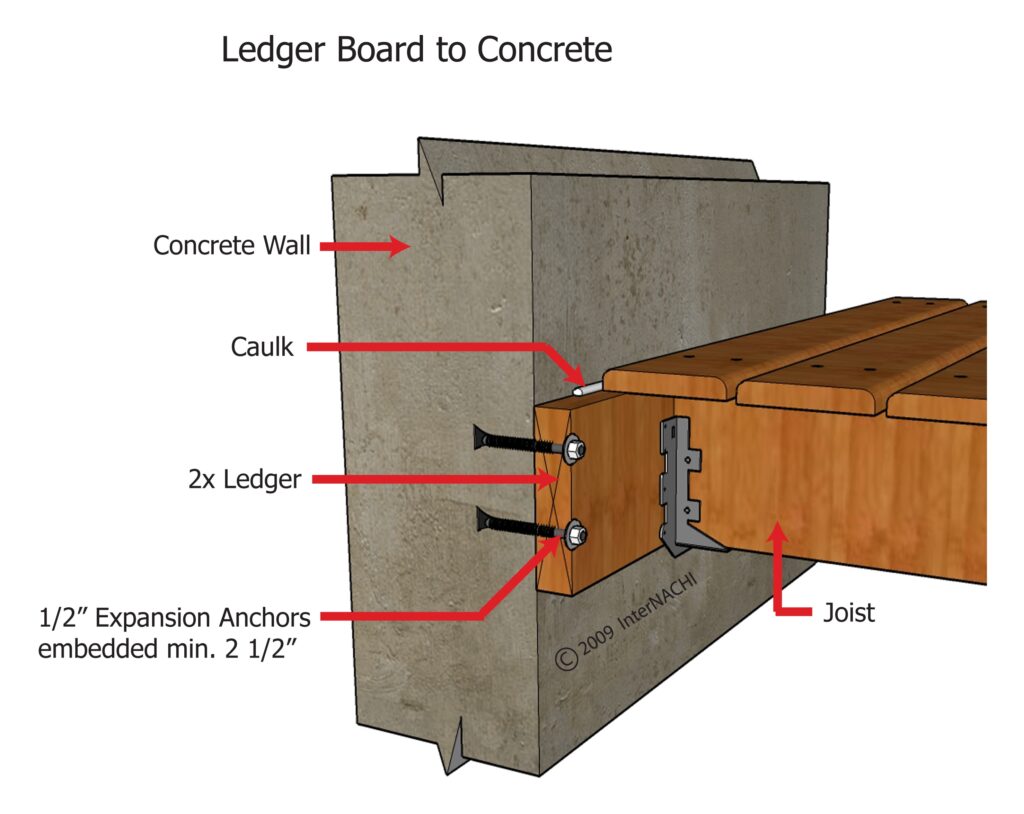
Keep objects such as firewood away from exterior walls. If you have a wooden deck, be sure the ground posts and ledger board are treated and in good condition. Image Credit: InterNACHI®
Key takeaway: STOP the intrusion of moisture. Ensure no leaking pipes, good drainage and the use of a dehumidifier in basements and crawlspaces.
Additional contents about Wood Destroying Organisms coming soon.